
Unsafe Playground Surfacing Materials Causing Safety Issues for Children
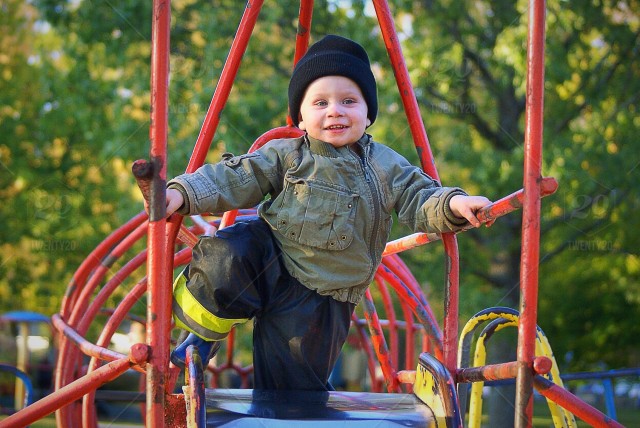
When designing a playground, safety is the top priority. The surfacing material beneath play equipment plays a critical role in protecting children from injuries, particularly from falls, which account for over 200,000 playground-related emergency room visits annually for children aged 14 and under in the U.S.. While loose-fill materials like sand, mulch, pea gravel, and wood fiber (including engineered wood fiber, or EWF) are commonly used due to their affordability, they come with significant safety concerns that make them less than ideal for ensuring a safe play environment. Let’s explore these materials and highlights their specific safety issues for children, helping parents, educators, and playground designers make informed decisions.
1. Sand
Sand is a traditional playground surfacing material valued for its low cost and natural aesthetic. However, its safety limitations make it one of the least reliable options for modern playgrounds.
Safety Issues for Children:
Wind and foot traffic displace sand, requiring frequent raking and replenishment to maintain depth, which is often neglected, compromising safety.
2. Mulch (Wood Chips or Bark Mulch)
Mulch, often made from shredded wood or bark, is a popular choice for its organic look and affordability. However, it poses multiple risks that undermine its suitability for playgrounds.
Safety Issues for Children:
Mulch fades, breaks down, and scatters with use, requiring regular raking, debris removal, and replenishment to maintain safety and appearance.
3. Pea Gravel
Pea gravel, consisting of small, smooth stones, is often chosen for its natural appearance and drainage properties. However, its safety drawbacks make it unsuitable for most playgrounds, especially those with higher equipment.
Safety Issues for Children:
4. Engineered Wood Fiber – (EWF)
Engineered wood fiber (EWF) is a processed form of wood designed to interlock and reduce splinters, making it a step up from standard mulch. While it’s often marketed as a safer alternative, it still has notable safety concerns.
Safety Issues for Children:
If not sourced from untreated wood, EWF may contain chemicals like chromated copper arsenate (CCA), which is toxic and inappropriate for playgrounds.
Why These Materials Are Considered Unsafe
The primary safety issues with sand, mulch, pea gravel, and wood fiber stem from their inability to consistently provide adequate fall protection, their propensity to harbor hidden dangers, and their lack of accessibility for all children. These loose-fill materials often fail to meet modern safety standards, such as ASTM F1292 for impact attenuation or ADA requirements for accessibility. Additionally, their high maintenance needs mean that safety is often compromised when upkeep is neglected, which is common in public playgrounds with limited budgets. The Consumer Product Safety Commission (CPSC) recommends at least 12 inches of loose-fill materials like sand, pea gravel, or wood chips, but even at these depths, they may not protect against falls from higher equipment.(https://www.cpsc.
Moreover, these materials pose unique risks to young children, who are more likely to engage in behaviors like putting objects in their mouths or crawling on the ground, increasing exposure to contaminants or choking hazards. Unlike unitary surfaces (e.g., poured-in-place rubber or rubber tiles), which offer consistent cushioning and accessibility, loose-fill materials degrade, scatter, or compact, creating uneven and unsafe surfaces over time (https://www.eenews.net/
Safer Alternatives
To create a safer playground, consider unitary surfacing options like:
– FallZone Poured-in-Place (PIP) Rubber: Offers excellent impact attenuation, durability, and ADA compliance.
– FallZone Synthetic Grass with Envirofill Infill: Combines aesthetics with safety, excellent impact attenuation, durability, and ADA compliance.
If loose-fill materials are unavoidable due to budget constraints, engineered wood fiber is the least problematic of the options discussed, regularly maintained, and sourced from non-toxic wood. However, even EWF requires diligent upkeep to remain safe.
Sand, mulch, pea gravel, and wood fiber may seem like cost-effective playground surfacing options, but their safety issues—ranging from inadequate fall protection and choking hazards to poor accessibility and high maintenance demands—make them risky choices for children. Playground designers and caregivers should prioritize surfaces that meet ASTM and ADA standards while minimizing health and injury risks. By investing in safer alternatives like FallZone Poured-in-Place Playground Surfacing or FallZone Synthetic Grass Playground Surfacing, we can ensure playgrounds remain fun, inclusive, and, most importantly, safe for all children.
For more information on playground safety, consult the U.S. Consumer Product Safety Commission’s *Public Playground Safety Handbook* or contact a certified playground safety inspector. Let’s keep our kids safe while they play![](https://www.health.ny.
Contact Your FallZone Surfacing Specialist Today For More Information
"*" indicates required fields